
An automatic ice maker is one of those kitchen conveniences that is easy to take for granted until it stops working properly. A small leak, a frozen fill tube, or a dispenser that suddenly stops delivering ice can quickly become an everyday inconvenience.
Ice maker problems can be caused by the water supply, freezer temperature, mechanical components, sensors, valves, or electronic controls. Some issues can be checked without disassembling the appliance, while others require professional diagnostics.
This guide explains why an ice maker may leak, freeze up, stop dispensing ice, or produce unusual cubes — and when Maryland homeowners should schedule professional Ice Maker Repair Services.
An ice maker depends on both the refrigerator’s cooling system and a reliable water supply. When one part of the system stops functioning correctly, several different symptoms may appear.
Common ice maker problems include:
Because these symptoms may have several possible causes, identifying the exact failure is important before replacement parts are installed.
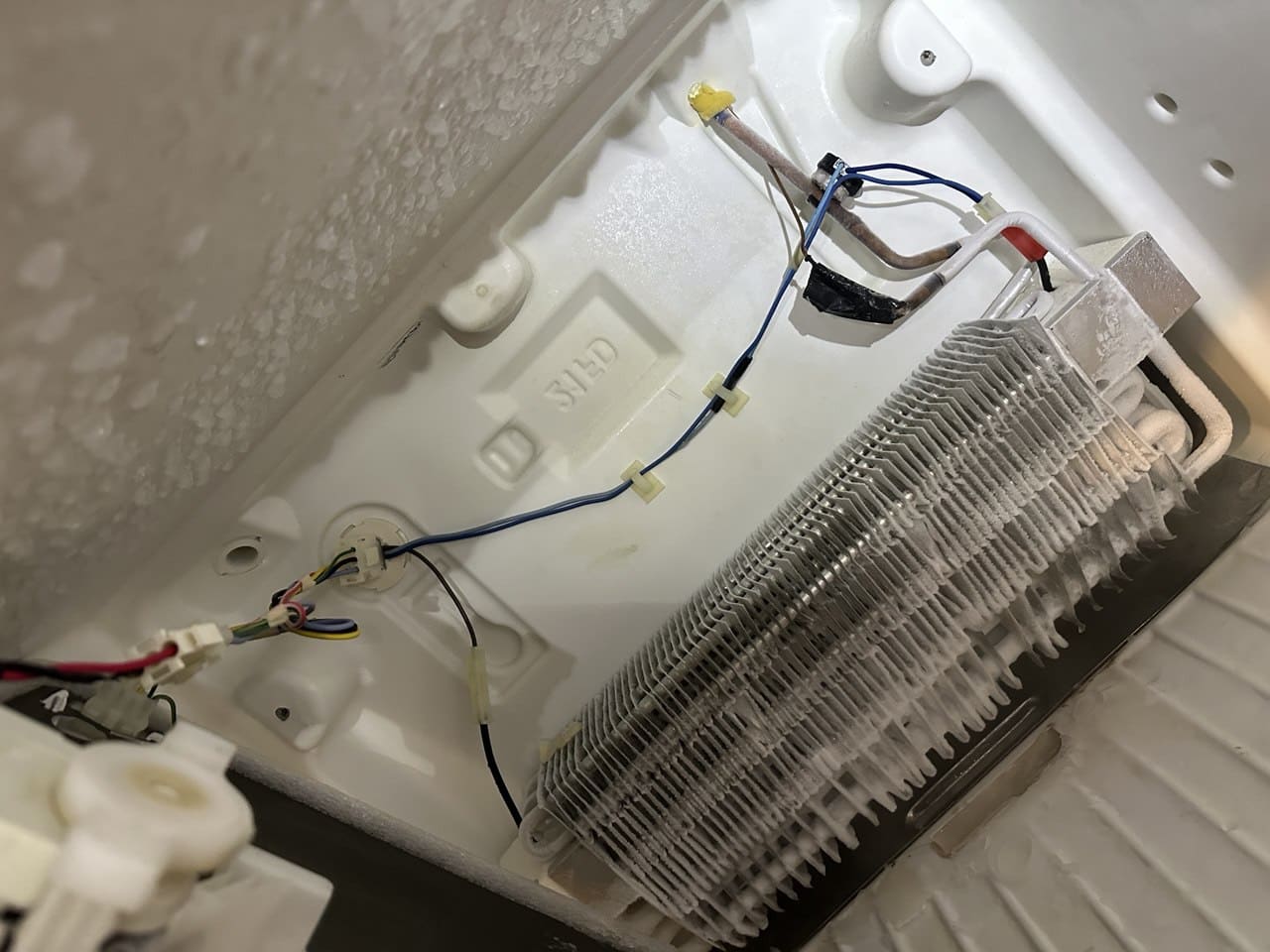
A leaking ice maker is one of the most important problems to address quickly. Even a small amount of water can freeze inside the freezer compartment or leak underneath the refrigerator and damage flooring or cabinetry.
Possible causes include:
If water is entering the ice maker when it should not, the inlet valve may not be closing completely. This can allow a slow flow of water into the mold, resulting in overflowing or recurring ice buildup.
If the leak is significant, homeowners should turn off the ice maker and close the refrigerator’s water supply valve when it is safe and practical to do so.
Recurring ice buildup around the ice maker is not normal. Removing the ice may temporarily restore operation, but the problem will usually return if the underlying cause is not corrected.
An ice maker may freeze over because of:
Ice can eventually interfere with the ejector mechanism, fan, storage bin, or dispenser system.
A technician can determine whether the ice buildup originates from the water system, temperature control, refrigerator cooling system, or the ice maker assembly itself.
Sometimes the ice maker continues producing cubes normally, but nothing comes out when the dispenser is activated.
In this situation, the problem may involve the dispenser rather than the ice-making process.
Common causes include:
If cubes have formed into a large frozen mass, the ice bin can usually be removed and emptied according to the refrigerator manufacturer’s instructions.
Avoid breaking ice apart with knives, screwdrivers, or other sharp objects because they may damage the storage bin or internal refrigerator components.
Reduced ice production may occur temporarily after the storage bin has been emptied or when the refrigerator doors have been opened frequently. However, consistently slow production may indicate a problem.
Possible causes include:
Because the ice maker relies on the freezer reaching the correct temperature, slow ice production can sometimes be an early sign of a larger refrigerator cooling issue.
Small, thin, or hollow cubes usually mean that the ice mold is not receiving enough water during each filling cycle.
This may be caused by:
If a new water filter was recently installed, the water system may also contain trapped air. Flushing the refrigerator water system according to the manufacturer’s instructions may help restore normal flow.
The fill tube delivers water into the ice maker mold. If water freezes inside or around this tube, new water may not reach the ice maker correctly.
A frozen fill tube can be related to:
Simply thawing the tube may restore operation temporarily. However, if it freezes again, the cause of the recurring water or temperature problem should be identified.
Some sounds are normal. Water entering the ice mold, cubes dropping into the bin, and the ejector rotating can all produce brief noises.
Repeated or unusually loud sounds may indicate a malfunction.
If the ice maker repeatedly attempts to operate without completing the cycle, professional diagnosis may prevent damage to other components.
Unpleasant ice does not always indicate that the ice maker itself is broken.
Ice can absorb odors from food stored inside the refrigerator and freezer. Water quality and an old refrigerator filter can also affect taste.
To improve ice quality:
If unpleasant taste or odor continues after these steps, the refrigerator’s water supply system may need additional inspection.
Yes. The ice maker requires sufficiently cold freezer temperatures to complete its production cycle.
If the freezer compartment becomes too warm, the ice maker may:
If frozen foods also feel softer than normal, the problem may involve the freezer cooling system rather than the ice maker alone.
A failing evaporator fan, frost buildup, sensor problem, door-seal issue, or refrigeration-system failure can affect both freezer temperature and ice production.
Maryland homeowners can perform several basic checks before scheduling repair:
Internal electrical components, water valves, sensors, control modules, and refrigerator cooling systems should be diagnosed using appropriate equipment.
Professional service is recommended when:
In many situations, repairing an ice maker is more practical than replacing the entire refrigerator, especially when the appliance is otherwise operating correctly.
Repair may be worthwhile when the problem involves:
The age, condition, brand, model, and value of the refrigerator should also be considered.
For built-in or premium refrigerators, professional repair may be especially practical because replacing the entire appliance can involve substantially greater expense and installation work.
InterTech Appliance Repair provides professional ice maker diagnostics and repair throughout multiple Maryland communities, including:
Service is also available in Washington, DC and selected Northern Virginia communities, including Arlington, Alexandria, McLean, Tysons, Falls Church, and Reston.
If you are searching for ice maker repair near me because your refrigerator has stopped making ice, developed a leak, or no longer dispenses cubes correctly, professional diagnostics can help identify whether the problem involves the water supply, ice maker assembly, dispenser, or refrigerator cooling system.
A leaking inlet valve, damaged fill tube, incorrect water pressure, or overflowing ice mold may allow excess water into the freezer. Recurring leaks should be professionally inspected.
Recurring ice buildup can result from a leaking water valve, frozen fill tube, excess water flow, temperature problems, or warm air entering through a damaged door seal.
The ice may be frozen together, the dispenser chute may be blocked, or the problem may involve the auger motor, dispenser switch, door switch, or electronic controls.
Yes. A severely restricted water filter can reduce water flow enough to slow ice production or prevent the mold from filling properly.
Small or hollow cubes often indicate insufficient water entering the mold. Possible causes include a restricted filter, low water pressure, partially closed valve, blocked fill tube, or failing inlet valve.
Yes. The freezer must be cold enough for the ice maker to complete its cycle. If freezer temperatures rise, ice production may become slow or stop entirely.
An ice maker that leaks, freezes over, produces very little ice, or stops dispensing cubes can be more than a minor inconvenience. Water leaks can damage surrounding areas, while recurring ice buildup may affect other refrigerator components.
For professional Ice Maker Repair Services, contact InterTech Appliance Repair.
Professional diagnostics can determine whether the problem involves the water inlet valve, fill system, ice maker assembly, dispenser, electronic controls, or refrigerator cooling system and help restore reliable ice production.