An oven is one of the most frequently used appliances in many Maryland homes. When it stops heating, cooks food unevenly, displays an error code, or fails to turn on, meal preparation can quickly become inconvenient and potentially unsafe.
Some oven problems are caused by simple issues such as an incorrect control setting or a tripped circuit breaker. Other malfunctions involve heating elements, igniters, temperature sensors, wiring, control boards, gas valves, or door components that require professional diagnosis.
InterTech Appliance Repair provides professional oven repair services for homeowners experiencing heating, electrical, ignition, temperature, and control-related problems.
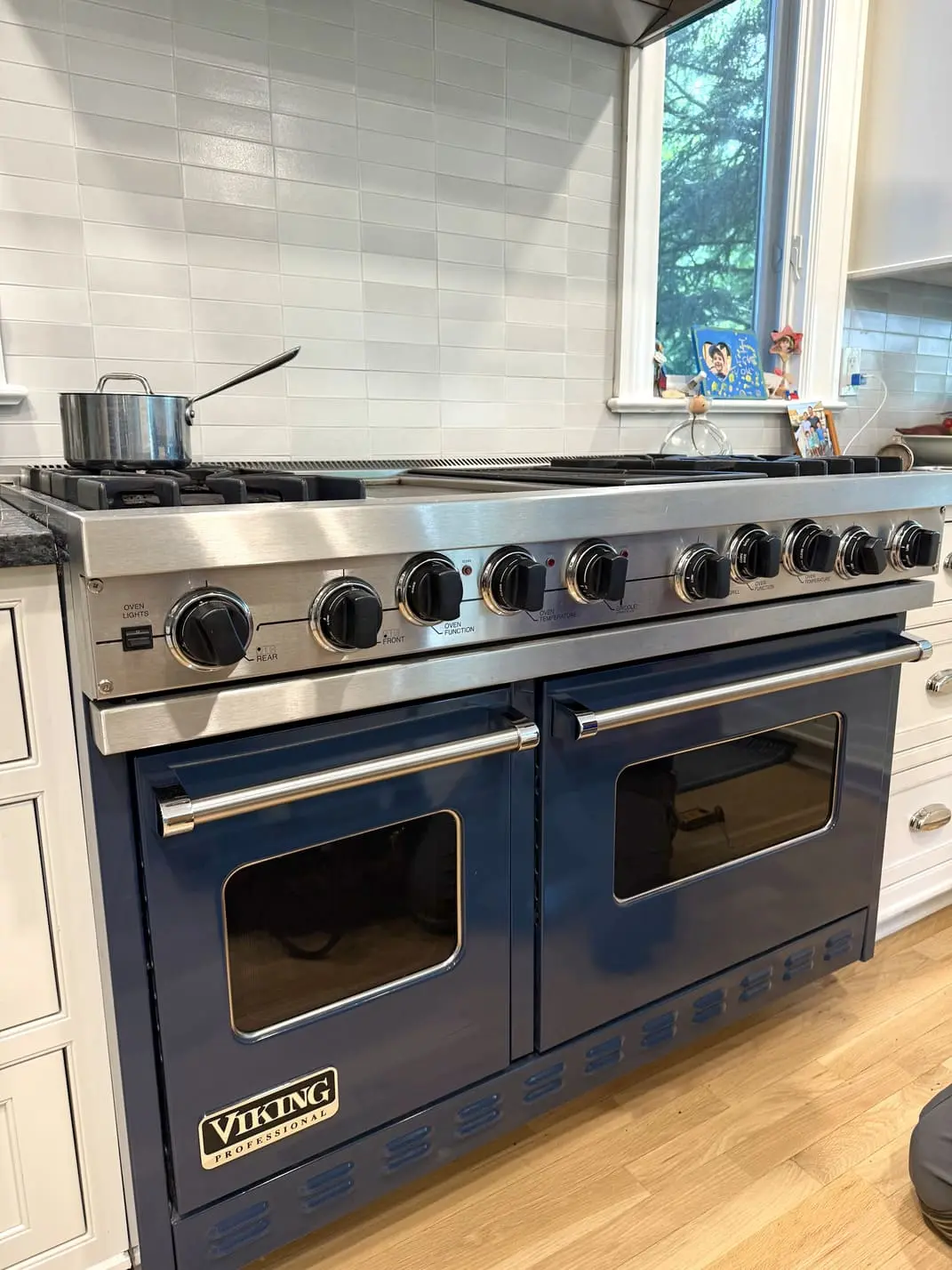
Modern ovens use a combination of electrical, mechanical, and electronic components to maintain the selected cooking temperature. A failure in one component can affect the entire cooking process.
Below are some of the most common reasons Maryland homeowners request professional oven service.
An oven that turns on but does not produce heat may have a failed bake element, damaged igniter, defective temperature sensor, faulty gas valve, broken wiring connection, or electronic control problem.
In an electric oven, the bake element usually produces most of the heat during standard baking. A damaged element may have visible cracks, blistering, or burned areas. However, an element can also fail internally without showing obvious exterior damage.
In a gas oven, the igniter must reach the correct operating condition before the gas valve allows fuel to enter the burner. A weak igniter may glow but still fail to open the gas valve properly.
Testing heating and ignition components requires access to electrical connections and, in some cases, the gas supply system. These repairs should be completed by a qualified appliance technician.
If food consistently takes longer than expected to cook or burns before the recommended cooking time, the oven may not be maintaining the temperature selected on the control panel.
Possible causes include:
Small temperature fluctuations are normal as the oven cycles on and off. However, repeated cooking problems or significant differences between the selected and actual temperature may indicate a component failure.
Uneven heating may cause one side of a dish to cook faster than the other or leave the center undercooked while the edges burn.
This problem may be related to:
Before requesting repair, confirm that cookware is centered and that oven racks are positioned according to the recipe. Avoid covering the bottom of the oven with foil because it can interfere with airflow and heating performance.
If uneven cooking continues with different dishes and rack positions, the heating system should be professionally inspected.
Preheating time depends on oven size, selected temperature, cooking mode, and appliance design. However, a noticeable increase in preheating time may indicate that the oven is no longer producing heat efficiently.
A slow-preheating electric oven may have a weak bake element, while a gas oven may have a deteriorating igniter. Temperature sensors, door seals, and electronic controls can also affect preheating performance.
Continuing to use an oven with a weak component may result in inconsistent cooking and eventually lead to complete failure.
If the oven does not respond when you select a cooking mode, begin by checking the circuit breaker and control settings. Some ovens will not operate when the control lock, delay-start feature, or Sabbath mode is active.
If the appliance still does not turn on, possible causes include:
Built-in electric ovens typically use high-voltage electrical connections. Internal testing should therefore be performed only after power has been disconnected and by someone with the proper training and equipment.
A gas oven that clicks, glows, or attempts to start without producing a flame may have a failed igniter, blocked burner openings, defective gas valve, wiring problem, or control board malfunction.
Do not repeatedly attempt to start a gas oven that is not igniting correctly. Unburned gas may accumulate inside the appliance or kitchen.
If you smell gas, turn off the appliance, avoid operating electrical switches or open flames, leave the area, and contact the gas utility or appropriate emergency service. Do not attempt to repair a suspected gas leak yourself.
An oven door must close securely to retain heat and maintain a stable cooking temperature. A loose or partially open door may increase cooking time, cause uneven results, and allow excessive heat to escape into the kitchen.
Common causes include:
Oven doors are heavy and contain multiple glass panels. Improper removal or installation can damage the door or cause injury, so hinge and glass repairs should generally be handled by an experienced technician.
The oven door may remain locked after a self-cleaning cycle because the appliance has not cooled sufficiently. If the door stays locked after the oven is completely cool, the problem may involve the door lock motor, temperature sensor, wiring, or control board.
Do not force the door open. Excessive pressure may damage the lock, hinges, handle, or glass panel.
Modern ovens use error codes to report problems detected by the electronic control system. A code may relate to the temperature sensor, control panel, door lock, cooling fan, heating circuit, wiring, or communication between components.
Write down the complete error code before disconnecting power. The code can help a technician begin the diagnostic process, but it does not always confirm which part has failed.
For example, a temperature-related error code may be caused by the sensor, damaged wiring, or the control board. Testing is required before replacing parts.
Some operating sounds are normal, particularly in convection ovens that use fans to circulate hot air. Loud grinding, scraping, rattling, buzzing, or clicking sounds may indicate a mechanical or electrical problem.
Possible sources include:
Stop using the appliance if the noise is accompanied by smoke, sparks, a burning smell, or loss of heating performance.
Electric and gas ovens can show similar symptoms, but their heating systems operate differently.
Electric ovens commonly require repairs involving:
Gas ovens commonly experience problems involving:
Correctly identifying the oven type and testing the appropriate components helps prevent unnecessary replacement parts and repeat service problems.
InterTech Appliance Repair provides diagnostics and repair for electric ovens, gas ovens, wall ovens, and other residential cooking appliances from major manufacturers.
We repair common problems such as ovens that do not heat, inaccurate temperatures, slow preheating, uneven cooking, ignition failures, malfunctioning doors, unusual noises, and electronic error codes.
Our Maryland service area includes Bethesda, Rockville, Potomac, Silver Spring, Clarksville, Fulton, Ellicott City, Columbia, Gaithersburg, Germantown, North Bethesda, Kensington, Chevy Chase, Derwood, and nearby communities.
Visit our Oven Repair Services page to learn more about available service and request professional assistance.